
History of CAFOs
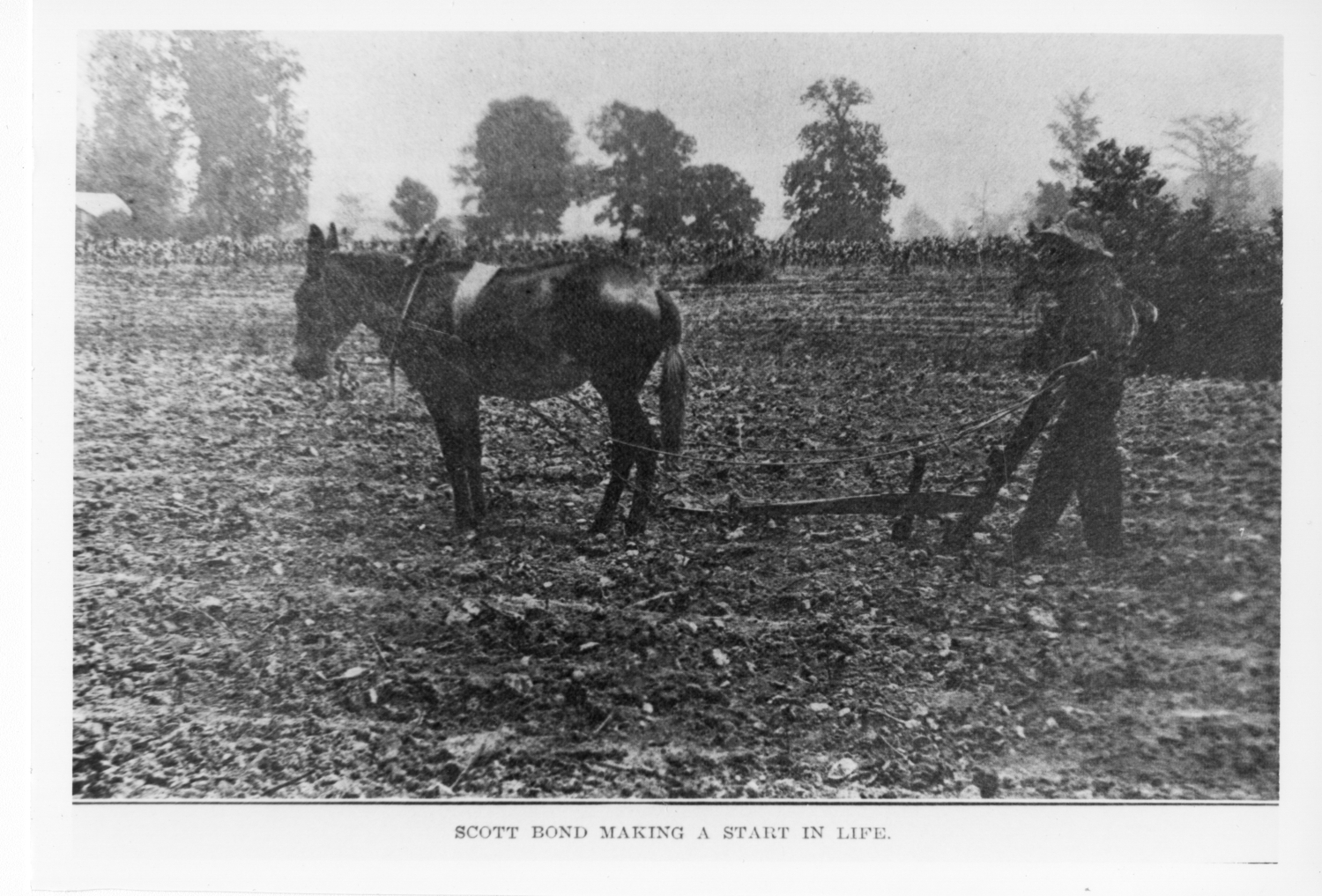
For most of human history, livestock were part of the land. Animals grazed, manure returned nutrients to soil, and herd size was limited by what the land could support. That changed after World War II.
Cheap fossil fuels, synthetic fertilizers, antibiotics, and massive grain surpluses transformed agriculture. Livestock were moved off pasture and into confinement, where growth could be accelerated and costs reduced. By the 1960s and 70s, large-scale confinement had become the norm for poultry, hogs, and feedlot cattle.
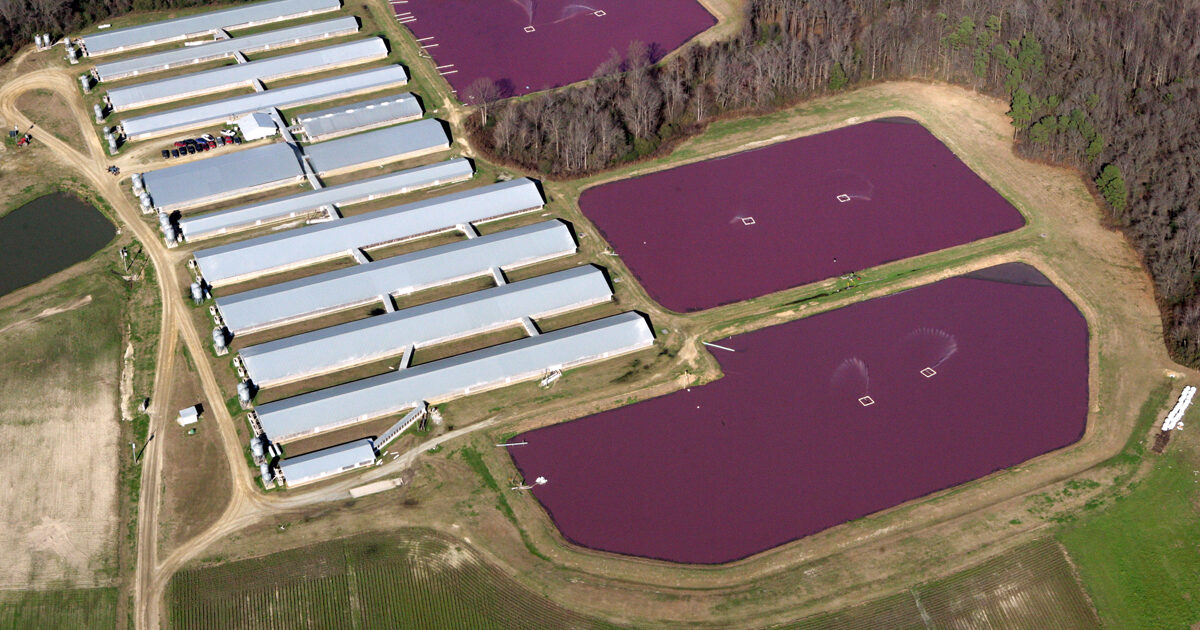
This model—now known as CAFOs, or Concentrated Animal Feeding Operations—prioritized efficiency and scale. Federal grain subsidies lowered feed costs. Antibiotics made dense animal populations possible. Environmental impacts were pushed off-site, into waterways, air, and neighboring communities.
In the 1990s, regulators formally defined CAFOs—not by how animals were treated, but by their scale and waste output. Oversight focused narrowly on water pollution, while air quality, climate emissions, and public health impacts remained largely unregulated.
Today, CAFOs dominate industrial meat, dairy, and egg production. They produce cheap protein—but only by relying on public subsidies, regulatory loopholes, and the externalization of environmental costs.
CAFOs did not arise by accident. They are the result of deliberate policy choices.
And CAFOs don’t exist in isolation. They are part of a broader system—one that also includes 240 million acres of federally managed grazing land, taxpayer subsidies, and political influence that shapes how food is produced in this country. To understand the full cost of this system, we have to look beyond the fence lines—and follow the land, the money, and the policies that sustain it.
.

Industrial vs. Regenerative Livestock
Industrial livestock systems separate animals from the land. Feed is grown somewhere else. Waste is stored somewhere else. And the environmental costs—polluted water, degraded soil, greenhouse gases—are borne by the public.
Regenerative livestock systems work differently.
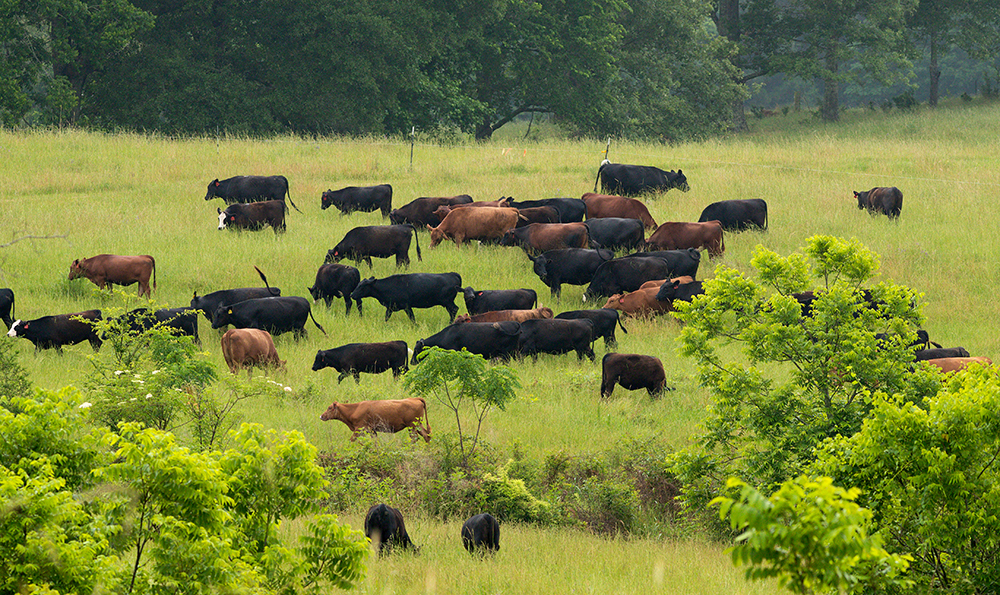
Animals remain on pasture, moving across the landscape in planned rotations that mirror natural grazing patterns. Manure becomes a resource, not a liability. Soil is covered, roots grow deeper, and carbon is drawn back into the ground.
Where CAFOs concentrate animals, regenerative systems distribute impact.
Where industrial systems rely on synthetic inputs, regenerative systems rely on biology.
Where confinement treats land as expendable, regenerative management treats it as capital.
This isn’t nostalgia. It’s applied ecology.
Well-managed grazing has been shown to improve soil structure, increase water infiltration, support biodiversity, and rebuild degraded grasslands—often on the same landscapes now stressed by overgrazing or confinement-driven demand for feed.
The question isn’t whether livestock belong on the land.
It’s how they’re managed—and who pays when the system fails.